Common Questions About Exercise in Pregnancy: Focusing on Pull-ups
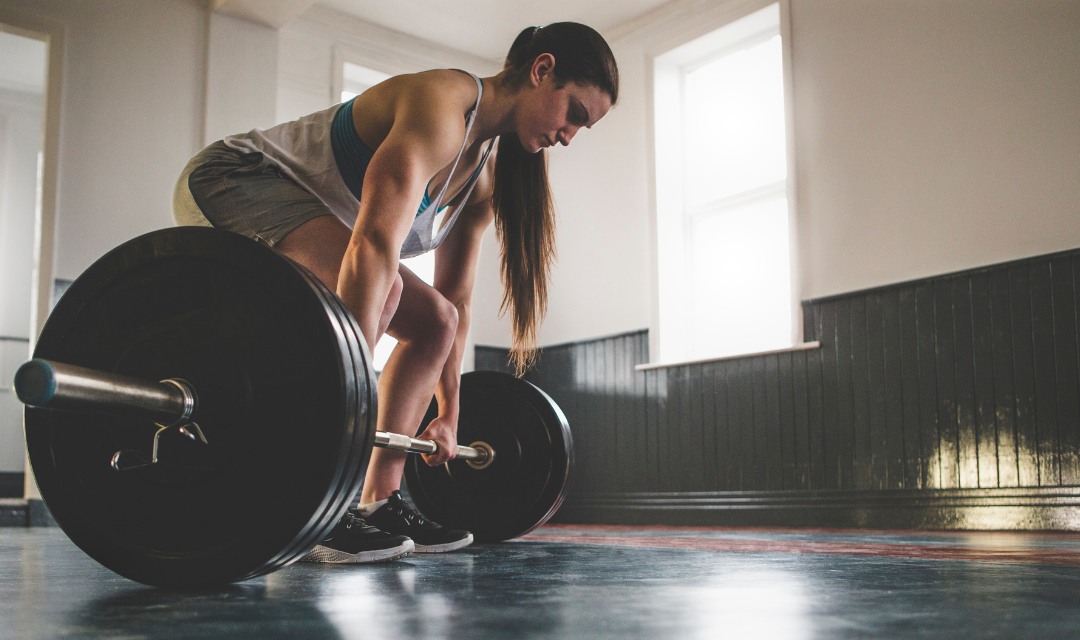
Exercise during pregnancy is a topic that often raises many questions and concerns. One of the exercises that pregnant women frequently inquire about is pull-ups. This article will address common questions about performing pull-ups during pregnancy, including their safety, benefits, and potential risks.
Table of contents
Can I do Pull-ups during pregnancy?
Pull-ups in the first trimester, is it safe?
What about Pull-ups in the second and third trimester?
Is it worth doing Pull-ups during pregnancy?
Pull-ups during pregnancy: pros and cons?
Can Pull-ups cause a miscarriage?
Can Pull-ups induce labor?
How to do Pull-ups correctly during pregnancy?
Pull-ups after childbirth, when can I start?
Can I do Pull-ups during pregnancy?
Yes, you can do pull-ups during pregnancy, but it's important to listen to your body and consult your healthcare provider. As your pregnancy progresses, your body undergoes significant changes that may affect your ability to perform certain exercises. Always prioritize your comfort and safety.
Psst, we have an app dedicated to pregnant moms. Learn more
Pull-ups in the first trimester, is it safe?
During the first trimester, it's generally safe to continue with pull-ups if you were already doing them before pregnancy. However, as your body changes, you may need to modify the exercise or switch to a less strenuous workout.
Psst, we have an app dedicated to pregnant moms. Learn more
What about Pull-ups in the second and third trimester?
As your belly grows in the second and third trimesters, pull-ups may become more challenging and potentially risky. It's crucial to listen to your body and stop if you feel any discomfort. Always consult your healthcare provider before continuing with this exercise.
Psst, we have an app dedicated to pregnant moms. Learn more
Is it worth doing Pull-ups during pregnancy?
Pull-ups can help maintain upper body strength during pregnancy, which can be beneficial. However, the worthiness of this exercise depends on your individual health, fitness level, and comfort.
Psst, we have an app dedicated to pregnant moms. Learn more
Pull-ups during pregnancy: pros and cons?
The pros of pull-ups during pregnancy include maintaining upper body strength and fitness. The cons, however, include potential strain on your abdominal and lower back muscles, which can lead to discomfort or injury.
Psst, we have an app dedicated to pregnant moms. Learn more
Can Pull-ups cause a miscarriage?
There's no direct evidence linking pull-ups or other moderate exercises to miscarriage. However, overexertion and certain high-impact exercises can potentially increase the risk. Always consult your healthcare provider before starting or continuing an exercise regimen during pregnancy.
Psst, we have an app dedicated to pregnant moms. Learn more
Can Pull-ups induce labor?
While physical activity can help prepare your body for labor, there's no scientific evidence to suggest that pull-ups or any specific exercise can induce labor.
Psst, we have an app dedicated to pregnant moms. Learn more
How to do Pull-ups correctly during pregnancy?
It's crucial to use proper form when doing pull-ups during pregnancy. Keep your body straight, avoid jerking movements, and stop if you feel any discomfort. Consider seeking guidance from a fitness professional experienced in prenatal exercise.
Psst, we have an app dedicated to pregnant moms. Learn more
Pull-ups after childbirth, when can I start?
Returning to pull-ups after childbirth depends on your individual recovery. It's generally recommended to wait until your postpartum check-up before resuming strenuous exercises. Always consult your healthcare provider.
Psst, we have an app dedicated to pregnant moms. Learn more
Information sources
1. American College of Obstetricians and Gynecologists. (2015). Physical Activity and Exercise During Pregnancy and the Postpartum Period. https://www.acog.org/clinical/clinical-guidance/committee-opinion/articles/2015/12/physical-activity-and-exercise-during-pregnancy-and-the-postpartum-period
2. Mayo Clinic. (2019). Pregnancy and exercise: Baby, let's move! https://www.mayoclinic.org/healthy-lifestyle/pregnancy-week-by-week/in-depth/pregnancy-and-exercise/art-20046896
3. NHS. (2018). Exercise in pregnancy. https://www.nhs.uk/pregnancy/keeping-well/exercise/
The information provided is for educational purposes only and is not intended as medical advice. Always consult a qualified healthcare provider for diagnosis and treatment.